
‘Everybody Digs Bill Evans’ Lights Up Berlinale: A Deep Dive into Jazz Legend’s Turmoil

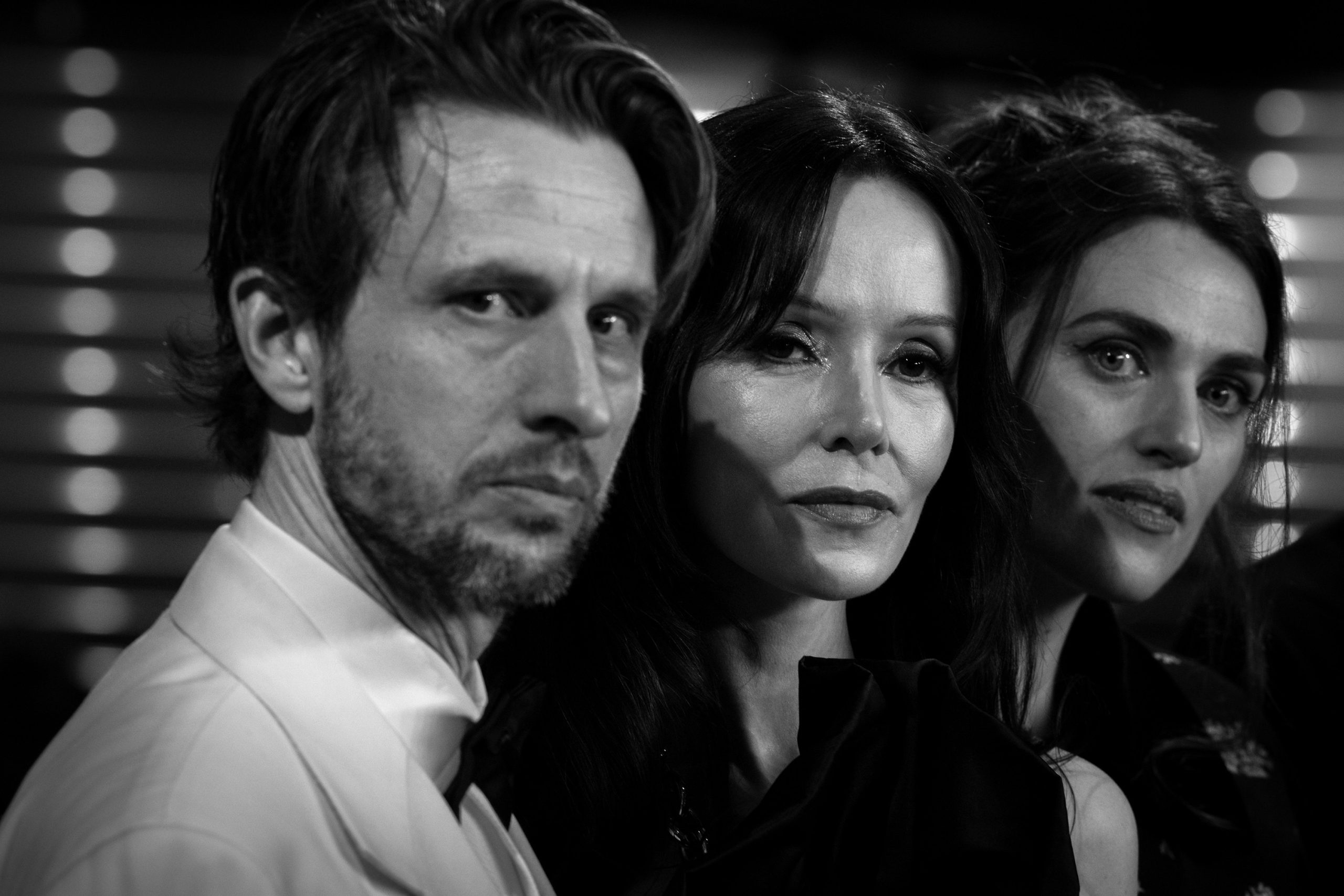
The 76th Berlin International Film Festival (Berlinale) played host to a captivating world premiere on Saturday, as Grant Gee’s feature debut, Everybody Digs Bill Evans, took centre stage in the competition section. This musician biopic, a genre that’s no stranger to acclaim, delves into the life of one of jazz’s most enigmatic figures: pianist Bill Evans. Focusing on a pivotal crisis in June 1961 in New York, the film paints a multi-layered portrait of Evans grappling with profound loss, addiction, fear, and creative paralysis. Directed by Gee, known for his documentaries on bands like Joy Division and Radiohead, the film marks his transition to narrative fiction, blending raw emotional depth with stylistic flair.
The premiere was followed by a lively press conference moderated by Berlinale Selection Committee member Jessica Kiang, who described the film as “absolutely wonderful.” The panel featured an impressive lineup: producers Alan Marr and Janine Marmot, writer Mark O’Halloran, director Grant Gee, and actors Anders Danielsen Lie (as Bill Evans), Bill Pullman, Barry Ward, and Valene Kane. Kiang humorously navigated their extensive credits, highlighting collaborations like Marr’s work on Song of Granite and O’Halloran’s scripts for Lenny Abrahamson films, while noting Gee’s iconic Radiohead music video for “No Surprises.”

From Hobby to Reality: The Long Road to Production
Gee revealed that the project simmered as a “creative hobby” for eight or nine years, evolving from casual research into Evans’ life and music. “People would ask me, ‘What are you doing with that jazz film?'” Gee recalled. It gained momentum when Norwegian actor Anders Danielsen Lie expressed interest in portraying Evans, turning it into a three-year sprint to completion. Lie, acclaimed for roles in Joachim Trier’s Oslo trilogy and the awards-buzzing Sentimental Value, brought a personal connection: he’s a medical doctor who once transcribed Evans’ solos to grasp his genius.
The film, adapted from a novel titled Intermission, was shot in striking black and white, with deliberate “eruptions of color from the future,” as Gee put it. He dismissed any notion of filming in color, emphasizing the aesthetic’s alignment with Evans’ introspective world. Cinematography drew subtle inspirations from Soviet films like those by Andrei Tarkovsky and French New Wave elements, though Gee credited cinematographer Pierce D for the final visual decisions.
Capturing Evans’ Essence: Music, Silence, and Emotional Turmoil

Questions zeroed in on Gee’s fascination with music. His first encounter with Evans came via a striking photograph that prompted him to spin Sunday at the Village Vanguard. The opening track, “Gloria’s Step,” hooked him: “The juxtaposition of the way Bill looked and, oh my God, he makes that sound.” Post-production, Gee affirmed his love for Evans’ music remains intact, even curating playlists for the premiere party without “killing” the passion through over-immersion—a lesson from his music doc days.
Bill Pullman, playing a key role (possibly Evans’ manager or a mentor figure), addressed the film’s use of silence, drawing parallels to German cinema’s tradition of meaningful pauses. “Watching a German movie means I’m not listening exactly to the words… I can see what happens when they stop talking,” he said, referencing films like Anatomy of a Fall. Pullman praised Gee’s dedication, noting the director’s on-set presence infused the project with love for Evans’ work.
The film’s emotional rollercoaster, creepy, sad, comfortable, uncomfortable, wasn’t premeditated, per Gee. Credit went to O’Halloran’s script, which reintroduced Evans’ love interest Elaine (played by Kane), absent from the source novel. “I was surprised by the emotion that came up when I was writing it,” O’Halloran shared. “He’s such a closed character… but that relationship with Elaine was the key to the emotional unlocking.” Kane echoed this, calling their arc a “poetically beautiful, painful moment” and a “love story” essential to humanising Evans amid his self-destruction.
Lie offered insight into embodying Evans’ contradictions: a musical genius whose life was “the longest suicide in history” due to addiction, yet who claimed, “I never had an unhappy moment at the piano.” Lie doesn’t defend his characters’ flaws: “I can be frustrated at playing someone who’s not able to live a normal life… but I’m not gonna judge my character.”
Barry Ward, portraying Evans’ brother Harry, highlighted the “tension” in supporting roles: “At the center is a character trapped in terrible addiction… Those around him suffer equally, if not more.” He described Harry’s grief as watching his brother become “unreachable,” amplifying the film’s dramatic layers.
Atmosphere and Inspirations: Crafting a “Musical” Film

The team discussed building the film’s immersive atmosphere. O’Halloran listened to Evans’ live recordings like Behind the Dikes while scripting, aiming for “musical” dialogue. Gee noted the novel’s intermission theme influenced the structure: “All the pressure of the music is in the space where the music isn’t.” This echoes Miles Davis’ modal jazz influence on Evans, where pauses heighten impact—Herbie Hancock credited Davis with teaching him to “play less.”
On set, music played a preparatory role, though no one consciously aimed for a “musical” feel. Casting was a highlight, with Gee praising Lie’s enthusiasm and the diverse paths that brought in talents like Pullman (of Independence Day and While You Were Sleeping fame) and Ward (from Jimmy’s Hall). Despite being Gee’s fiction debut, he leaned on psychological backstories rather than heavy direction: “They all gave much more than I’d ever imagined.”
Pauses in Creativity and a Lasting Fascination
A question on “intermissions” in creative life resonated. Lie, on a brief acting hiatus, stressed reflection: “You have to step away… to ask, ‘Is this meaningful?'” He balances with family time and cross-country skiing, aided by his medical background. Gee humorously hoped for shorter breaks before his next fiction project.
Finally, Gee pondered his enduring draw to music: “I really don’t know… Musicians are quite interesting people, quite often, ’cause they’re out of control, but they make something that’s definitively beautiful that lasts forever.” It’s this blend of mortality and transcendence that fuels his work.
Everybody Digs Bill Evans has already sparked buzz for its innovative take on the biopic, proving that silence can be as powerful as a jazz riff. As the Berlinale continues, this film stands as a testament to Evans’ legacy—and Gee’s bold vision.

Editor in Chief of Ikon London Magazine, journalist, film producer and founder of The DAFTA Film Awards (The DAFTAs).


