
Meet Wispa, the five-millionth pet to cross the Channel with LeShuttle

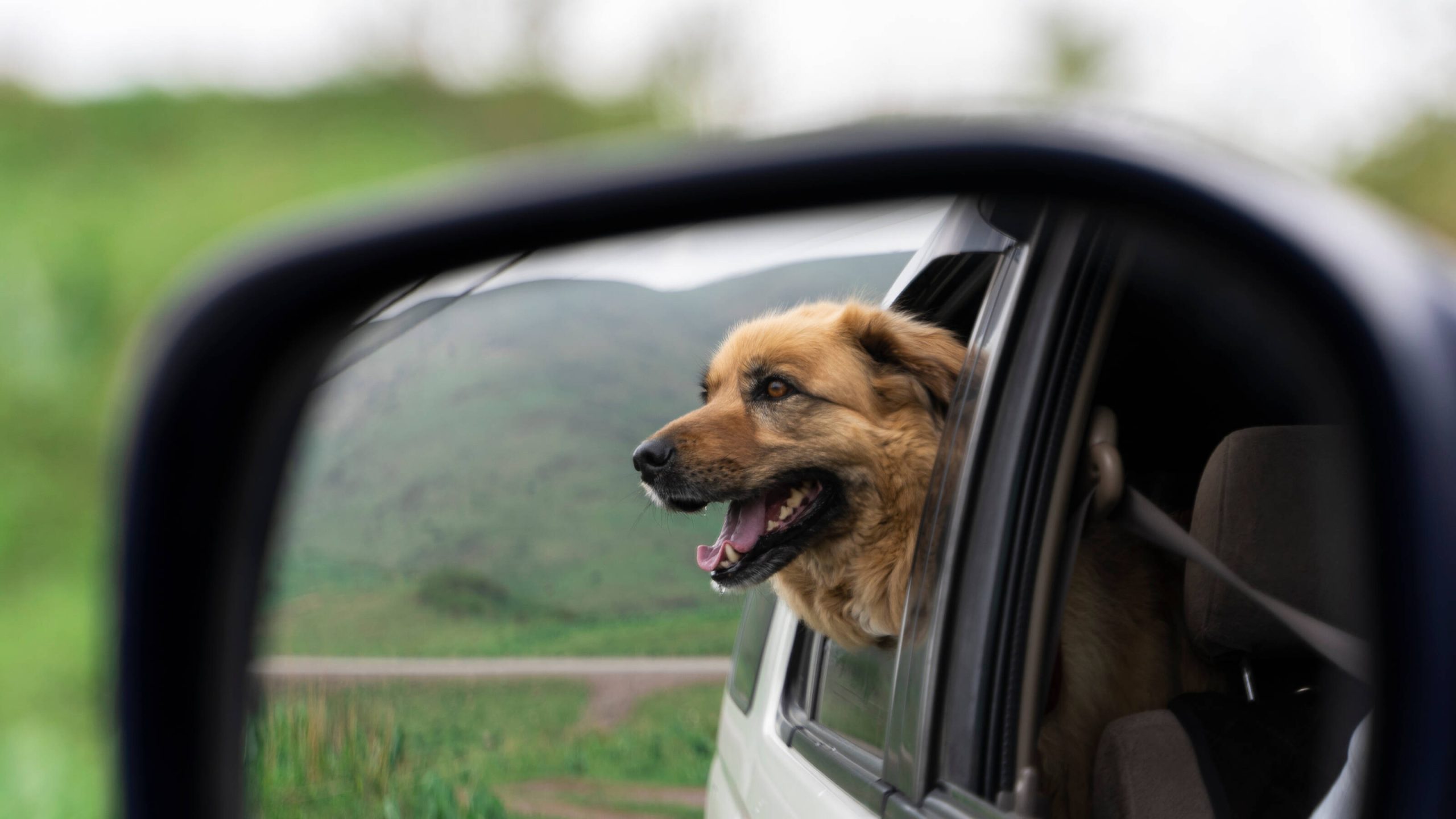
The one-year-old spaniel was the milestone traveller as LeShuttle passed five million pet journeys since 2000, with more than 360,000 animals now making the Channel crossing each year.
Wispa is only one year old, but the spaniel has already made a little piece of LeShuttle history.
The dog has become the five-millionth pet to travel with LeShuttle since the service began carrying animals under the Pet Travel Scheme in 2000. Wispa travelled with her owners, Gordon and Susan Harle, marking the milestone alongside LeShuttle ambassador Zaina Aouni, who works in the service’s pets department.

LeShuttle now carries more than 360,000 pets a year, with more than 360,000 animals making the journey in 2025 alone. That is more than 40 times the 8,000 pets that travelled on the service in 2000.
Pets now feature on around one in eight LeShuttle journeys. The company says that amounts to more than 90 pets crossing each hour, or more than 2,200 a day.
France is the most popular destination for pet travellers, followed by Spain, Italy and Germany. For owners making the journey, one of the practical attractions of LeShuttle is that pets can remain in the car with them during the 35-minute crossing between Folkestone and Calais.
That short crossing is also central to the service’s appeal compared with ferry travel, according to LeShuttle’s customer research. Dedicated pet reception areas at both terminals provide places for animals to exercise and settle before travelling, including artificial-grass exercise areas and quiet spaces.
For anyone planning to take a pet abroad, however, the journey starts well before reaching the terminal.
What you need to travel with a pet
Dogs travelling with LeShuttle need to be microchipped and have either an Animal Health Certificate or EU Pet Passport, as well as a valid rabies vaccination. Dogs travelling from Calais to Folkestone also need a tapeworm treatment administered between one and five days before travel.
Cats and ferrets require a microchip, an Animal Health Certificate or EU Pet Passport, and a rabies vaccination.
For journeys from Great Britain to the EU, an Animal Health Certificate needs to be issued by an official veterinarian within 10 days of travel. Requirements can vary according to the destination, so travellers are responsible for checking the latest rules before setting off.
LeShuttle recommends keeping a record of your pet’s microchip number and taking essentials including water, food, spare collars and leads, bedding and toilet bags. For longer road journeys after the Channel crossing, regular stops should be planned.
It is also worth speaking to a vet about preventative treatment for biting insects, which can be more common in continental Europe than in the UK.
At the terminal, pets must be checked in at the dedicated Pet Reception. LeShuttle asks travellers to arrive at least 90 minutes before departure, with the reception areas open 24 hours a day.
LeShuttle Essentials
- Pet fare: £24 each way for dogs, cats and ferrets. Registered assistance dogs travel free.
- Check-in: Pets must be checked in at the dedicated Pet Reception at least 90 minutes before departure.
- Crossing time: Approximately 35 minutes between Folkestone and Calais.
- Pet travel requirements: Requirements vary by species and destination. Travellers should check the latest requirements before travelling.

Elena Leo is the Culture & Lifestyle Editor of Ikon London Magazine.


