
Rijksmuseum to Open Major Free Sculpture Garden in Amsterdam

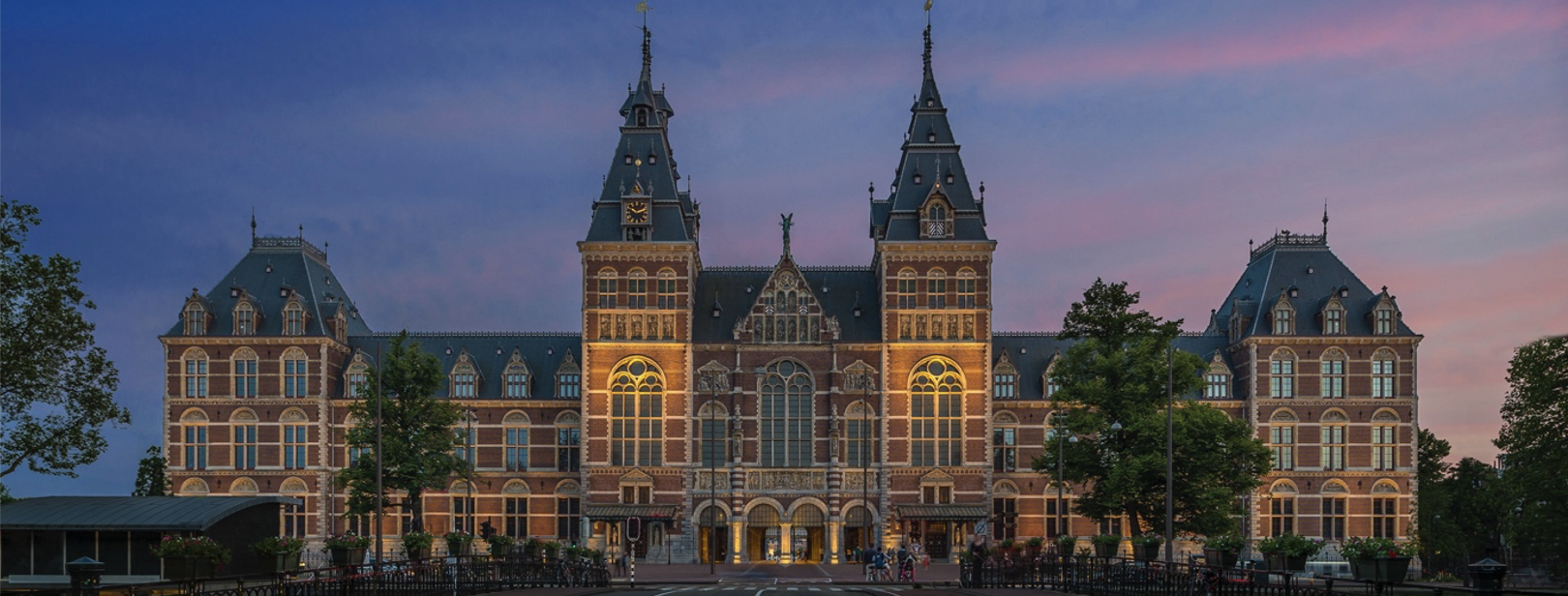
The Rijksmuseum unveils plans for a free public sculpture garden featuring works by Giacometti, Bourgeois, Calder and more.
The Rijksmuseum is set to expand its presence beyond its historic walls with the creation of a new public sculpture garden, transforming a prominent site in central Amsterdam into a free, international destination for modern and contemporary art.
Made possible by an exceptional €60 million donation from the Don Quixote Foundation, the project will establish a permanent outdoor exhibition space showcasing works by some of the most influential sculptors of the 20th and 21st centuries, including Alberto Giacometti, Louise Bourgeois, Alexander Calder, Jean Arp, Roni Horn and Henry Moore. The garden is scheduled to open in autumn 2026, pending final permits.
Located just moments from the Rijksmuseum itself, at the intersection of Boerenwetering, Ruysdaelkade and Stadhouderskade, the new sculpture garden will bring together three existing pavilions and their surrounding gardens with the nearby Carel Willinkplantsoen. For the first time, the pavilions, originally built in the Amsterdam School architectural style, will be opened to the public.
The transformation of these buildings into sculpture exhibition spaces has been entrusted to London-based architecture studio Foster + Partners, while the surrounding landscape will be designed by Belgian landscape architect Piet Blanckaert. Together, the architecture and planting scheme aim to create a setting where art, nature and the city coexist, offering visitors a calm and contemplative experience in the heart of Amsterdam.
In addition to displaying long-term loans from the Don Quixote Foundation’s collection, the garden will host temporary sculpture exhibitions, allowing the Rijksmuseum to present a broader and more dynamic view of modern sculpture than has previously been possible within its main building. The new exhibition space will be formally known as the Don Quixote Pavilion and Garden at the Rijksmuseum.
The project also places a strong emphasis on environmental impact. Twenty-two new mature trees will be planted alongside a wider range of native flowers and plants, increasing biodiversity and reinforcing the garden’s role as a green public space as much as a cultural one.
Access to the sculpture garden will be free during daytime opening hours, reinforcing the Rijksmuseum’s commitment to making art accessible to the widest possible audience. The main entrance will be located on Stadhouderskade, with opening times to be agreed in consultation with the municipality and local residents.
For the Rijksmuseum, the new garden represents a significant expansion of its modern and contemporary holdings. While the institution is best known internationally for its Old Masters, this development marks a decisive step in giving modern sculpture a more prominent and permanent platform. It also reflects a broader shift among major museums towards opening their collections into public space, allowing art to be encountered as part of everyday city life.
If approved as planned, the sculpture garden will become one of Amsterdam’s most important new cultural landmarks, offering residents and visitors alike a free and immersive way to engage with international sculpture in a uniquely urban setting.

Elena Leo is the Culture & Lifestyle Editor of Ikon London Magazine.


