
Dag Johan Haugerud’s “Dreams (Sex Love)” Premieres at Berlinale 75

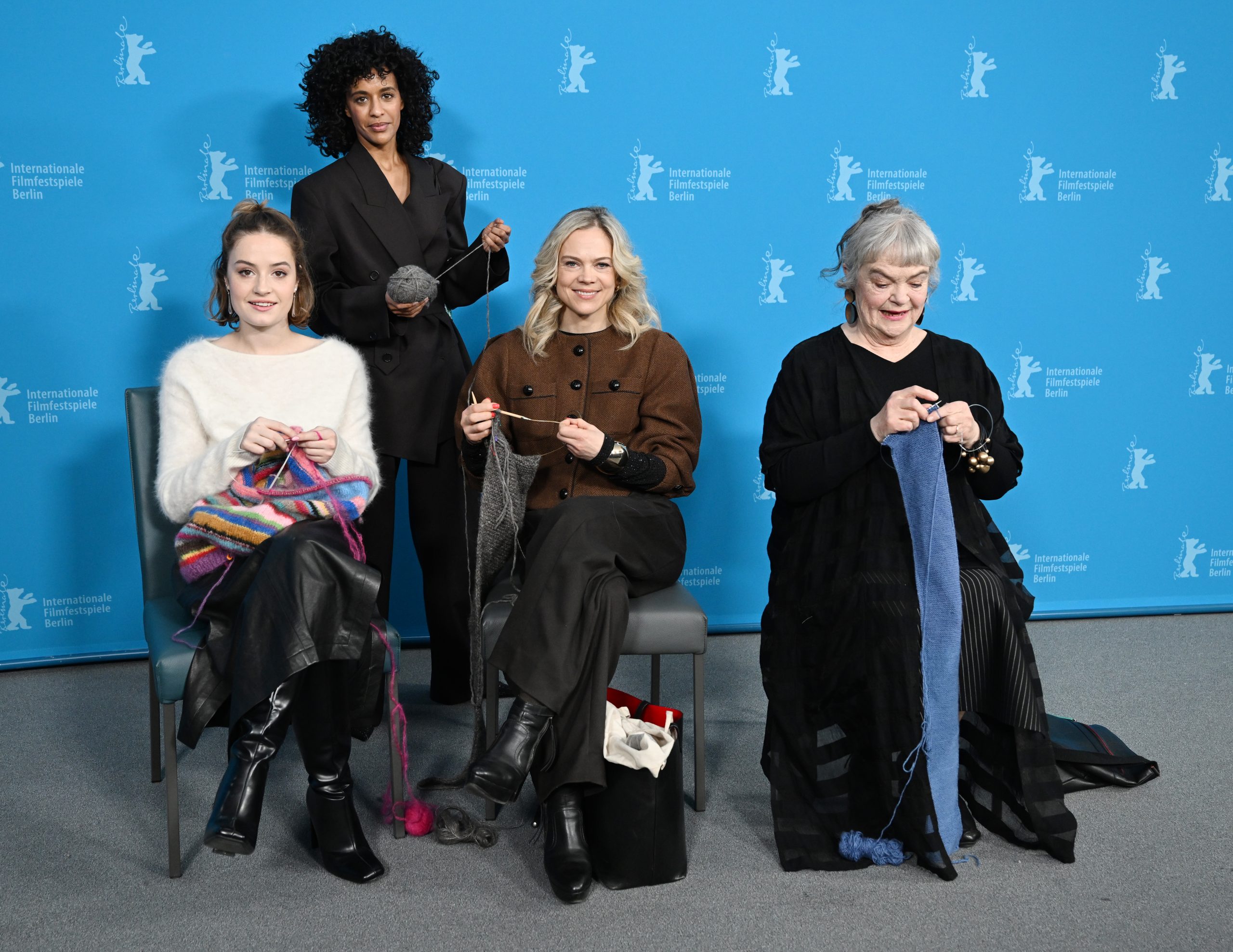
Dag Johan Haugerud’s “Dreams (Sex Love)” (Norwegian: “Drømmer”), which premiered at the 75th Berlin International Film Festival, concludes his trilogy exploring human relationships, sexuality, and social norms with a warm, nuanced examination of desire across generations.

The film follows Johanne (Ella Øverbye), whose intimate writings about her female French teacher (Selome Emnetu) catalyse a broader exploration of desires and dreams within her family. Through the perspectives of Johanne’s mother Kristin (Ane Dahl Torp) and grandmother Karin (Anne Marit Jacobsen), the narrative weaves together three generations of women confronting their unfulfilled longings and aspirations.
During the Berlinale press conference, Haugerud reflected on his inspiration: “I started with trying to remember how it felt being in love for the first time… these memories you keep with you all your life.” He emphasised the importance of exploring how these memories evolve as people age, touching on themes of longing and sexuality in later years.
The film’s distinctive visual approach, marked by masterful colour grading and costume design, is complemented by an unexpected motif: knitting. This craft becomes both a visual metaphor and a practical activity that brings warmth to the narrative, literally through wool and figuratively through the connections it creates between characters.


One of the film’s most compelling aspects is its sophisticated handling of complex themes. The script presents a thought-provoking paradox: while Johanne’s mother fears potential sexual abuse, it’s the teacher who feels violated upon discovering she’s the subject of her student’s intimate fantasies. This nuanced treatment challenges conventional perspectives on power dynamics and consent.
The film also celebrates literature and reading, which the director highlighted as particularly significant in our current digital age. The characters’ engagement with books becomes a vehicle for understanding and connection across generations.
Shot back-to-back with its trilogy companions “Sex” and “Love,” “Dreams” represents the culmination of an ambitious project supported by various Norwegian film institutions. Haugerud, inspired by Krzysztof Kieślowski’s “Three Colours trilogy,” aimed to create distinct yet interconnected films that feel “part of the same conversation.”

The film’s Scandinavian approach to sexuality and identity is noteworthy, with Haugerud explaining, “In Norway or Scandinavia, we are quite open-minded towards different sexual identities.” However, he emphasised that while the film depicts an idealised social environment, it represents “how we hope it should be or could be.”
“Dreams (Sex Love)” premiered internationally at the Berlinale on February 19, 2025, competing for the Golden Bear. After its Norwegian theatrical release in October 2024, the film is scheduled for German distribution by Alamode Film on May 8, 2025.
Through its careful balance of coming-of-age narrative, family dynamics, and exploration of desire, “Dreams (Sex Love)” offers a thoughtful conclusion to Haugerud’s trilogy, demonstrating that even the most sensitive subjects can be approached with both gravity and moments of levity.


Editor in Chief of Ikon London Magazine, journalist, film producer and founder of The DAFTA Film Awards (The DAFTAs).
