
“Blue Moon” Rises: A Night of Creative Friendship at Berlinale 75

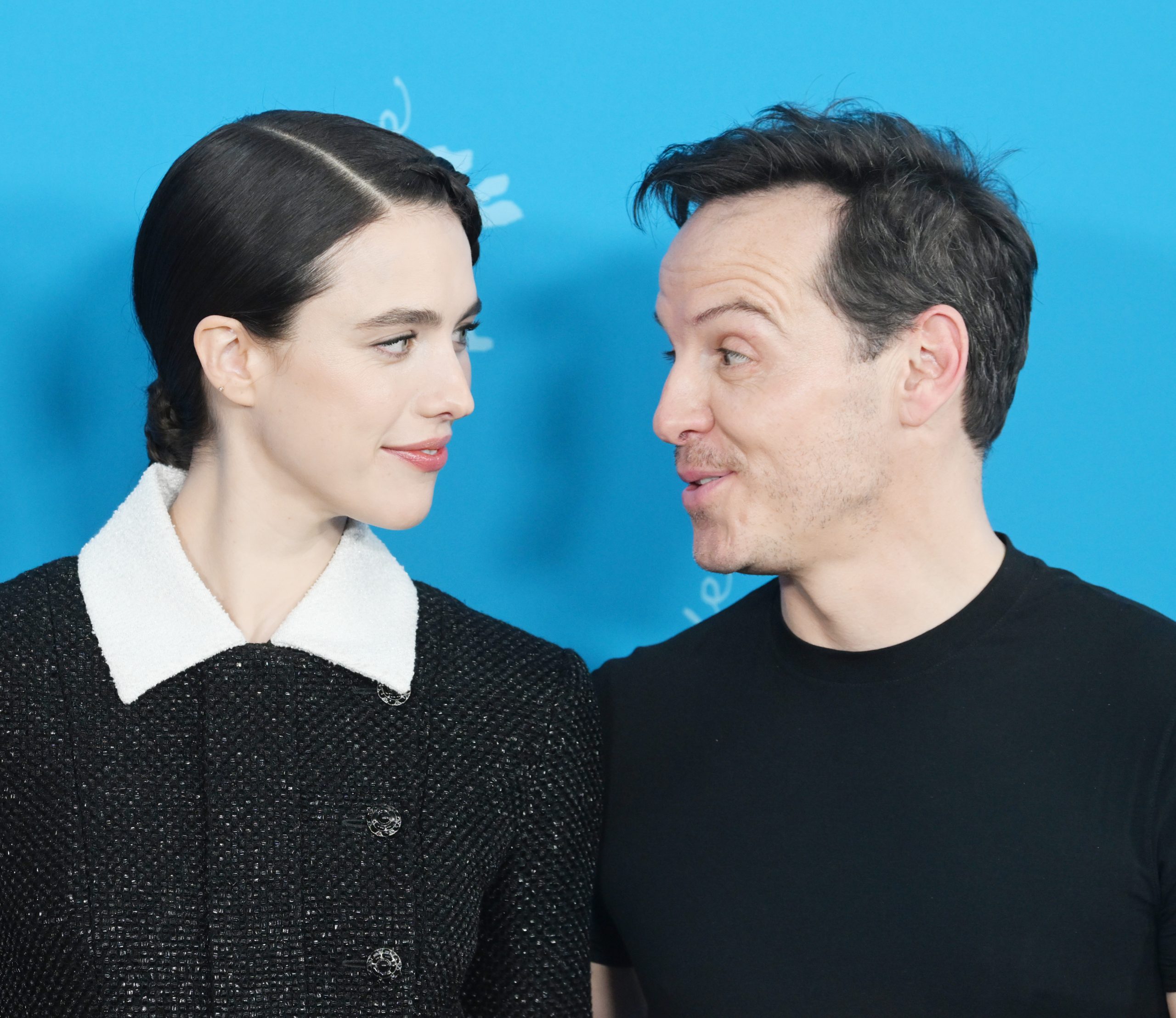
Ten years after Richard Linklater’s “Boyhood” earned him the Silver Bear for Best Director at the Berlinale, the acclaimed filmmaker returns to the festival’s main competition with “Blue Moon,” a chamber piece that unfolds during a single pivotal evening in 1943. The film, which premiered to enthusiastic applause at the Berlinale Palast, captures the opening night of “Oklahoma!” while following the emotional journey of songwriter Lorenz Hart, portrayed with devastating complexity by Ethan Hawke.

Behind the Creative Process
Linklater spoke about his approached creating this chamber piece that seems deceptively easy to digest but cuts very deep: “On one hand, it’s just one night in the life of Lorenz Hart,” Linklater explained during the press conference. “But I’ve always loved this period so much—the ’30s and ’40s musical theatre, the craftsmanship of it. Our goal was to make the movie like a Rogers and Hart song—beautiful, kind of sad, and funny, all these things all at the same time.”
Asked at the press conference about his creative process, Ethan Hawke reflected: “The truthful answer is it takes a lifetime. You prepare for a part like this by playing Macbeth. What Robert Kaplow wrote for us is this absolutely beautiful script that, if done right, we imagined it’s basically a film that’s one scene. It starts and all the dominoes fall in one gesture. To make the verbiage come alive, to make the dynamics, the musical quality that Rick’s talking about—when is it fast, when is it slow, when is it arresting, when is it heartbreaking, when is it silly—it takes a long time to understand the dynamics at play. This character that Robert created has so many opposites—that’s what really turned me on about it. He’s very small and he’s huge, he’s a lover and he’s lonely, he’s deeply insecure and wildly confident. Those opposites make life more realistic somehow to me, it creates dynamics.”


The Theatre World Within
Andrew Scott, who portrays Richard Rodgers, emphasised the unique challenge of capturing theatre culture authentically: “The film is set on an opening night, and one of the things that we were very concerned about was how do you make a conversation that is supposed to be sort of laden with history and love and emotion, and how do you conduct that conversation in the midst of the opening night of one of the biggest musicals that’s ever lived?”
Scott elaborated on the particular atmosphere of opening nights and the unique dynamics of creative friendships: “The theater gives birth to so many creative friendships that are slightly different to the ones that you make perhaps on movie sets. The film is set on an opening night, and one of the things that we were very concerned about was how do you make a conversation that is supposed to be laden with history and love and emotion, and how do you conduct that conversation in the midst of the opening night of one of the biggest musicals that’s ever lived. What happens is that you’re interrupted, and many of us have been in those situations where there’s a premiere of a film or the opening night of a play and it’s a very extraordinary atmosphere on those nights. You’re incredibly vulnerable but you’re also strangely elated, you’re frightened but you’re also completely exhilarated. These extraordinary dynamics exist as this sort of theatre show-biz train continues, and you’re having these stolen moments of heartbreak and lust and love and bitterness and real affection happening as people are interrupting you.”

The Art of Kindness
One of the film’s most striking aspects, according to Scott, is its approach to depicting heartbreak: “It’s strange to watch a movie about heartbreak when everyone is actually trying to be kind… these hearts are getting broken but people are all being kind to one another.” This observation speaks to Linklater’s trademark humanism, treating his characters with respect while acknowledging their frailties.
A Personal Connection
For Margaret Qualley, the project held special significance. “When I was like 16 or 17, trying to figure out who I was, I turned a lot to Richard Linklater and Ethan Hawke movies as a part of figuring that out,” she shared. “So for me, it was very real to have the opportunity to work with them having grown up on their films and their collaboration.”


The Commercial Question
When asked about the film’s title “Blue Moon” and its relationship to commercial compromise, Linklater offered an illuminating perspective on both Hart’s era and his own artistic freedom: “Larry Hart was born at the right time. They were making so many shows, his specialty—he wrote a thousand songs for these shows. They were so workmanlike, they were blessed to get to do so much. We learn at the very end of the movie that ‘Blue Moon’ was actually from Hollywood, that was one of their gigs there, it didn’t originate on Broadway. They were professionals, but within professional work, so much was beautifully inspired. If you’re an artist, you’re going to express yourself when and where you can. To answer your real question, I don’t think I’ve compromised much at all over the years. We have no pressure—it’s a low-budget film, we do whatever we want. There were no test screenings or any of that. You hear the horror stories, and the film industry can be an interesting collision between art and commerce, but I’ve largely been spared that over all these years.” When someone quipped this was “because you never make anything commercial,” Linklater laughed, adding, “There’s that—they gave up on me a long time ago.”
The film, distributed by Sony Pictures Classics, is set for release in May 2025, but its Berlinale premiere has already established it as a significant exploration of artistic partnership, personal demons, and the enduring power of creative friendship. As Hawke noted during the press conference, the film shows us how “we all build on each other,” a testament to the collaborative spirit that defines both its subject matter and its creation.

Editor in Chief of Ikon London Magazine, journalist, film producer and founder of The DAFTA Film Awards (The DAFTAs).


