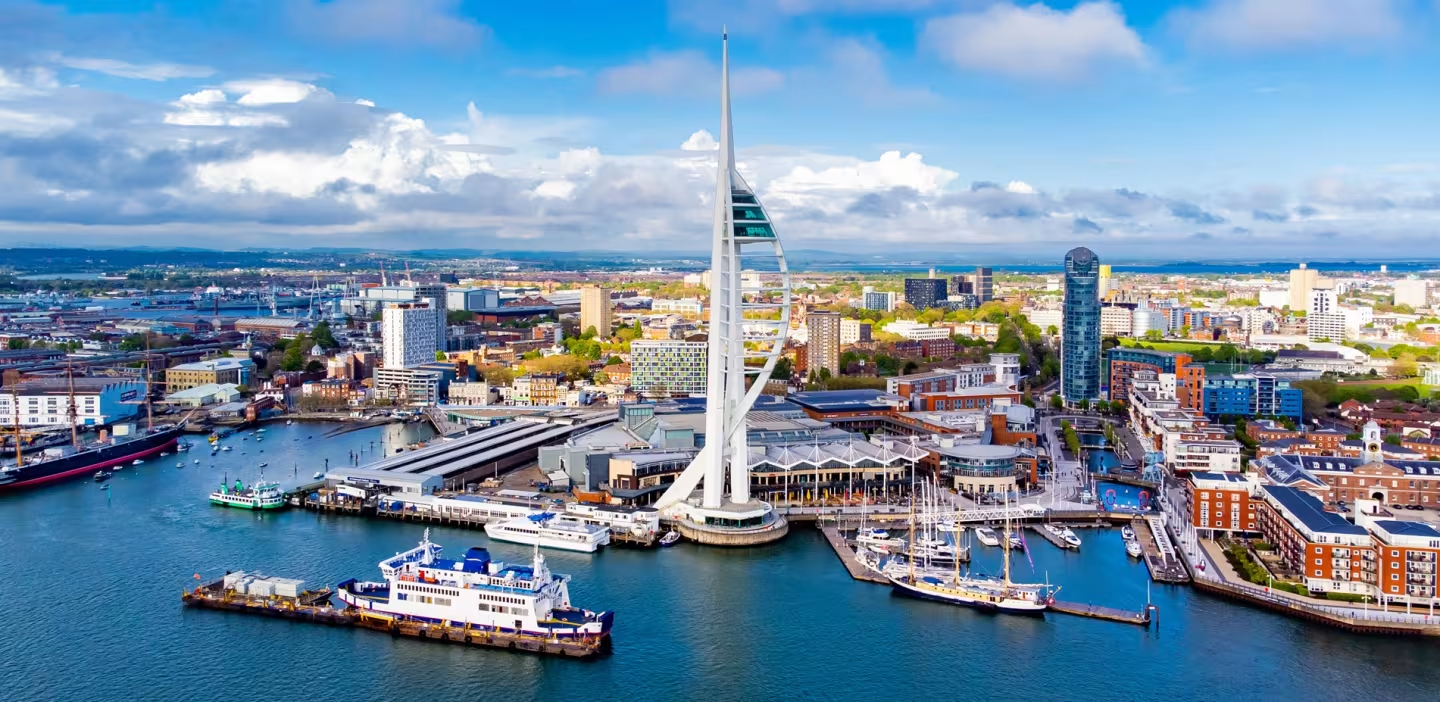
Portsmouth Named the UK’s Most Accessible Holiday Destination for 2026

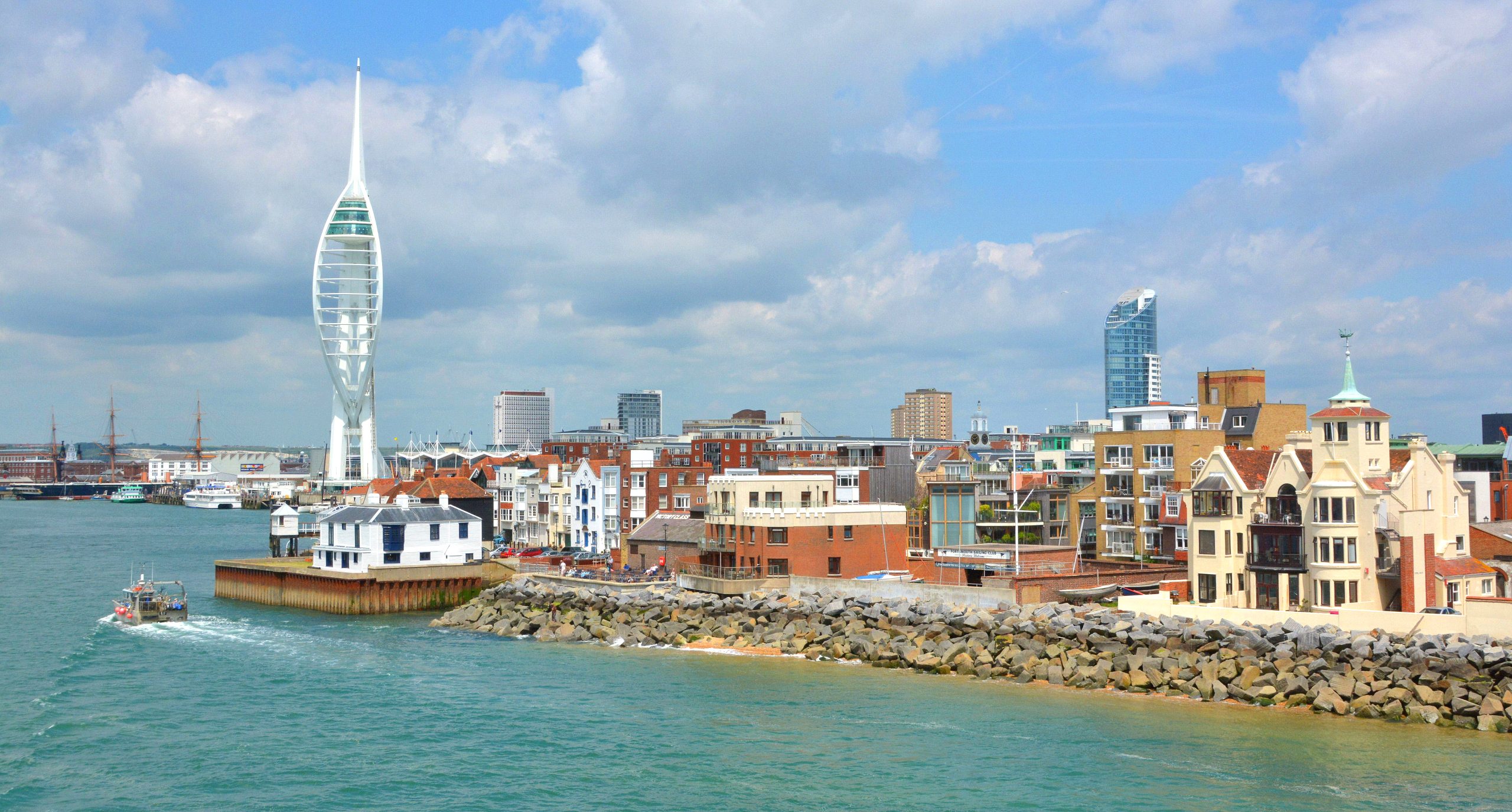
New research highlights where inclusive travel works best, with coastal towns outperforming many major cities.
Planning a break shouldn’t feel like an obstacle course, but for travellers with mobility needs, it often still does. A new UK-wide study looking at accessible tourism has ranked Portsmouth as the most accessible holiday destination in Britain for 2026, ahead of Bournemouth and London.
The research assessed destinations across three practical measures: wheelchair-accessible hotels, cultural tours and day trips. Each location was given an overall accessibility score out of 100, designed to reflect how easy it is for older travellers and people with mobility needs to enjoy a short break without compromise.
Portsmouth topped the list with a score of 78.89. While only around 15 per cent of its hotels offer wheelchair access, the city stood out for what visitors can actually do once they arrive. Nearly two thirds of its cultural and bus tours are wheelchair accessible, along with more than 66 per cent of day trips, making it one of the most consistently accessible destinations overall.
Bournemouth followed closely in second place, scoring 71.95. The seaside town performed particularly well for tours and day trips, with half of both categories rated wheelchair friendly. London came third with a score of 69.62, buoyed by the sheer volume of accessible accommodation in the capital, where almost 30 per cent of hotels meet accessibility standards, alongside a wide choice of tours and attractions.

Further down the ranking, Liverpool placed fourth, Belfast fifth and Manchester sixth. Belfast stood out for having the highest proportion of accessible hotels in the UK, with almost half offering wheelchair access, even if tours and day trips were more limited. Edinburgh, the Cotswolds, Poole and Brighton completed the top ten, with rural and coastal destinations often outperforming larger cities when it came to accessible excursions.
At the other end of the scale, Jersey ranked as the least accessible staycation option, scoring just 7.01, with very limited accessible accommodation, tours or day trips available.
The findings underline how uneven accessibility remains across the UK. Coastal and rural destinations such as Portsmouth, Bournemouth and the Cotswolds appear to be making more consistent efforts to welcome travellers with mobility needs, while several major cities lag behind despite their size and resources.
For many older travellers, access isn’t about luxury, but confidence: knowing that accommodation, transport and activities won’t become barriers once they arrive. This ranking offers a clearer picture of where inclusive travel is working, and where there’s still work to be done.
Source: SeniorLovers.co.uk

Elena Leo is the Culture & Lifestyle Editor of Ikon London Magazine.