
Kristen Stewart’s Directorial Triumph: The Chronology of Water Makes Waves at Cannes

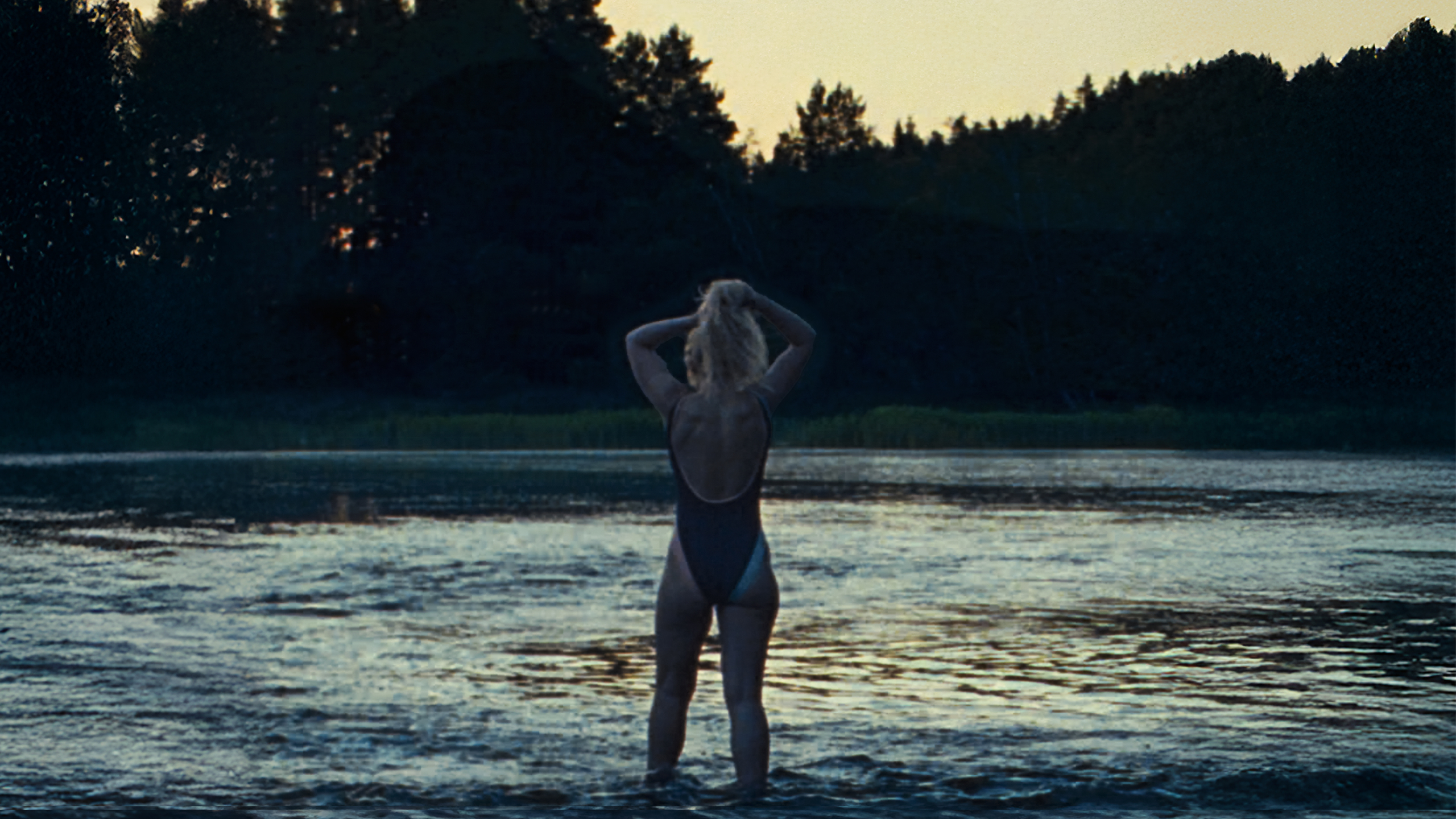
The actress-turned-filmmaker delivers a raw, uncompromising debut that earned a six-and-a-half-minute standing ovation
Kristen Stewart returned to the Cannes Film Festival for the seventh time on May 16, 2025, but this visit marked a significant milestone in her career. After gracing the Croisette as an actress in films like “Personal Shopper,” “Sils Maria,” and “Crimes of the Future,” Stewart stepped behind the camera as director of “The Chronology of Water,” her feature directorial debut that premiered in Un Certain Regard to thunderous acclaim.

The biographical romantic drama, based on Lidia Yuknavitch’s powerful memoir, explores the darkest and most tender aspects of female experience through the story of a young Olympic swimming hopeful who uses both water and words to escape an abusive past. The film’s premiere earned a six-and-a-half-minute standing ovation, with Stewart visibly moved by the reception of what she calls “the biggest wound of my creative life so far. And by far my favorite scar.”
Eight Years in the Making
“The Chronology of Water” represents the culmination of nearly a decade of dedication for Stewart, who co-wrote the screenplay with Andy Mingo. The project’s lengthy gestation period reflects both the complexity of adapting Yuknavitch’s raw, unflinching memoir and Stewart’s determination to create something authentic and uncompromising.
“The memoirs on which the film is based tell of an underbelly experience: the most tender and noxious aspects of being a woman,” Stewart explained. “The book offered me the words to write a scenario in which this ‘writer’ would be every single one of us.”
The film follows its protagonist through cycles of trauma, addiction, and recovery, using a non-linear narrative structure that Stewart describes as intentionally “unruly and hard to pin down.” Shot on 16mm film, the movie creates a visceral, tactile experience that mirrors the protagonist’s journey through pain toward self-discovery.


A Family Forged Through Adversity
The production faced significant challenges, with Stewart noting that “our shoot was disrupted by things I couldn’t control, but we all stayed.” Rather than derailing the project, these obstacles seemed to strengthen the creative bonds between cast and crew.
“The family we made and the memories we made while making this film have become part of the landscape of our lives,” Stewart reflected. “The film is about birth, death and rebirth, and we sort of followed that cycle.”
This collaborative spirit proved essential given the film’s emotionally demanding subject matter, which tackles themes of abuse, addiction, and the struggle to reclaim one’s voice and body after trauma.

Extraordinary Performances
Central to the film’s success is Imogen Poots’s fearless performance as Lidia Yuknavitch. Stewart’s admiration for her lead actress is evident in her description of the casting process: “When I saw what she was willing to give, what she was capable of and above all who she was, the quality of her soul, the beauty of what she was trying, I said to myself, ‘We all have to be as good as she is.'”
The supporting cast includes several actors Stewart clearly holds in high regard. She describes Thora Birch as “one of my favorite actors of all time” and praises her unique presence in the film. “She’s so special,” Stewart noted, expressing regret that Birch isn’t seen more frequently in contemporary cinema.
Susannah Flood takes on the challenging role of the protagonist’s parents, who Stewart describes as being “seen through a steamed glass, distant memories.” Through Flood’s performance, these figures become “startlingly clear… spread across the walls of the house like emotional wallpaper.”
Perhaps most intriguingly, the cast includes Sonic Youth’s Kim Gordon, whom Stewart describes as “a mother figure to me.” Her inclusion speaks to Stewart’s desire to surround herself with artists who inspire and challenge her: “You want to be intimidated, but there’s a dynamic connection in her presence that makes you feel really good.”
The Art of Iteration
At its core, “The Chronology of Water” is about persistence and renewal. “The film is about iteration. Getting up and trying again. Repossessing your body, your desires, your ambitions and your dreams,” Stewart explained. This theme resonates not only within the narrative but also in Stewart’s own journey as a filmmaker.
The director’s approach to the material emphasizes authenticity over comfort, both for herself and her audience. “I learned to listen to myself. Listen to my friends. To personalize my process. It’s okay to fail. Sometimes that’s how you win,” she reflected on what the filmmaking experience taught her.
A Universal Female Experience
Stewart’s vision for the film extends beyond individual trauma to explore broader themes of female consciousness and solidarity. “That women’s collective consciousness is real,” she emphasized, describing one of the key takeaways she hopes audiences will embrace.
The film’s unflinching approach to difficult subject matter serves a larger purpose: “Pain can’t just be avoided, but can be treated and embraced.” Rather than offering easy answers or false comfort, Stewart’s directorial approach suggests that healing comes through confronting and integrating painful experiences.
From Actress to Auteur
When asked what made her want to become a director, Stewart’s answer was characteristically concise and revealing: “To be an actress.” This seemingly paradoxical response speaks to her understanding of filmmaking as a holistic creative process, where directing becomes another way of exploring and expressing the human condition.
Stewart’s transition from in front of to behind the camera feels like a natural evolution rather than a departure. Her years of working with visionary directors like Olivier Assayas, David Cronenberg, and others have clearly informed her own aesthetic sensibilities and approach to storytelling.
Critical Acclaim and Future Prospects
The overwhelmingly positive reception at Cannes suggests that Stewart has successfully navigated the challenging transition from acclaimed actress to promising filmmaker. Critics have praised both her directorial style and the film’s handling of difficult themes, with particular attention paid to the raw emotional honesty of Poots’s performance.
Following the success of “The Chronology of Water,” Stewart has expressed eagerness to continue directing, suggesting that this debut represents the beginning rather than a one-off experiment in filmmaking.
A New Chapter
“The Chronology of Water” stands as more than just a successful directorial debut; it represents Stewart’s commitment to authentic, uncompromising storytelling that refuses to shy away from difficult truths. The film’s exploration of female experience, trauma, and recovery feels both deeply personal and universally resonant.
As Stewart continues to evolve as an artist, moving fluidly between acting and directing, “The Chronology of Water” establishes her as a filmmaker willing to take risks and explore the most challenging aspects of human experience. In a festival landscape often dominated by safe choices and familiar narratives, Stewart’s debut offers something genuinely bold and necessary.
The six-and-a-half-minute standing ovation at Cannes was not just recognition of a successful film, but acknowledgment of an artist’s courageous leap into new creative territory. For Stewart, who has spent years captivating audiences as an actress, “The Chronology of Water” proves that her artistic vision extends far beyond performance into the realm of authentic, transformat

Editor in Chief of Ikon London Magazine, journalist, film producer and founder of The DAFTA Film Awards (The DAFTAs).